Listening to a City Learn to Whisper: The Acoustic Makeover of Aichi's Driverless Corridors
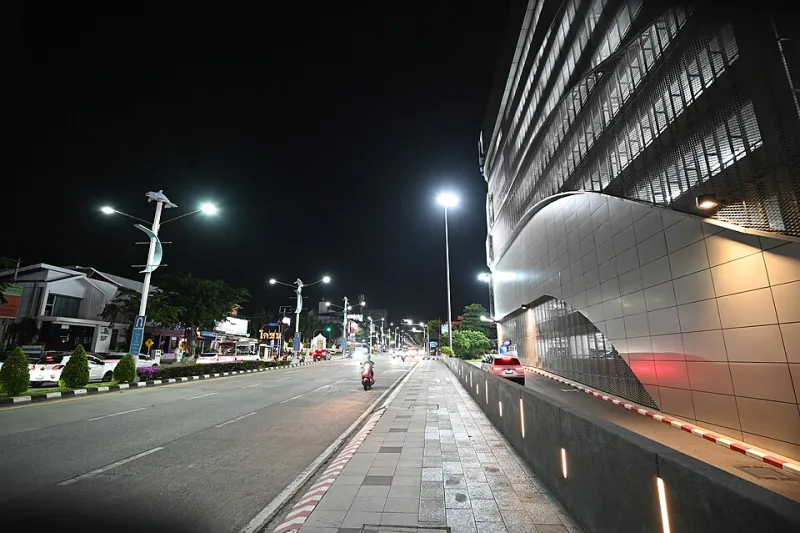
Photo: PattayaPatrol, CC BY-SA 4.0, via Wikimedia Commons
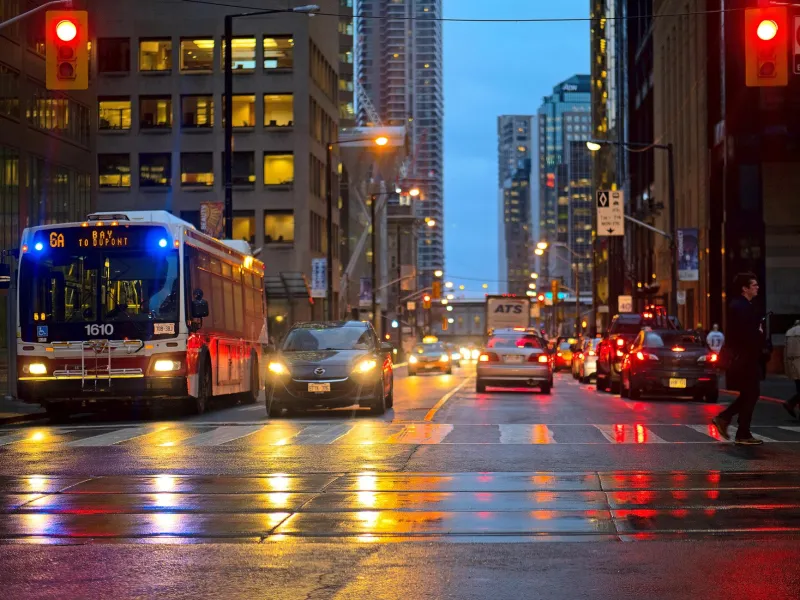
Stand at the corner of a busy intersection in Nagoya's Nishi ward at rush hour and something feels off. The traffic is there — buses, delivery pods, shuttle vans gliding in coordinated rhythm — but the soundtrack that generations of city dwellers learned to tune out is fading. No revving engines waiting for a light. No angry horn bursts. Just the low, almost apologetic hum of electric drivetrains and the occasional chime of a pedestrian signal.
Aichi Prefecture, the epicenter of Japan's automotive industry and home to one of the most aggressive autonomous deployment programs in the world, is undergoing an acoustic transition that almost nobody planned for and everybody is starting to notice. For American urbanists wrestling with noise ordinances, highway sound walls, and the health effects of chronic traffic din, the lessons arriving from central Japan are as unexpected as they are instructive.
The Horn Problem Nobody Wanted to Own
When Aichi's autonomous shuttle pilots expanded through Nagoya in 2024, engineers confronted a deceptively simple question: what does a driverless vehicle do with the horn?
A horn, in human hands, is a blunt instrument of emotion — warning, frustration, greeting, rage. Strip out the human and the horn loses its vocabulary. Early fleet protocols in Aichi treated the horn as a pure safety device, reserving it for genuine collision-avoidance scenarios. The result, documented in municipal acoustic surveys, was a dramatic drop in horn activations per kilometer — and, curiously, a rise in pedestrian complaints during the first months of operation.
The complaint wasn't that streets were unsafe. It was that they were illegible. People had learned to read traffic through sound. The rumble of an approaching truck, the tap of a horn at a blind corner — these were ambient signals, a shared language between strangers in steel. Remove them and the city feels, in the words of one survey respondent, "suspiciously calm."
Aichi's answer was to redesign the vocabulary rather than restore the noise. Fleets now employ graduated acoustic signaling: soft directional tones when yielding to pedestrians, a distinct low-frequency pulse when a vehicle intends to proceed, and the traditional horn only as a last resort. Think of it as turn signals for the ears — standardized, predictable, and far quieter than the improvisational honking that defines American intersections.
Engine Roar as a Legacy Technology
The deeper transformation is what's disappearing entirely. Autonomous fleets in Aichi are overwhelmingly electric, and the pairing of self-driving systems with electric drivetrains has produced something urban noise engineers rarely get to study: a city corridor where traffic noise is dominated not by engines but by tires.
Road-tire interaction is now the primary acoustic signature of Aichi's busiest autonomous corridors. That shift has practical consequences. Pavement selection, once a matter of durability and cost, has become an acoustic decision — with planners in the prefecture specifying quieter surface treatments along residential-adjacent routes that would never have met a noise-abatement threshold in the engine era.
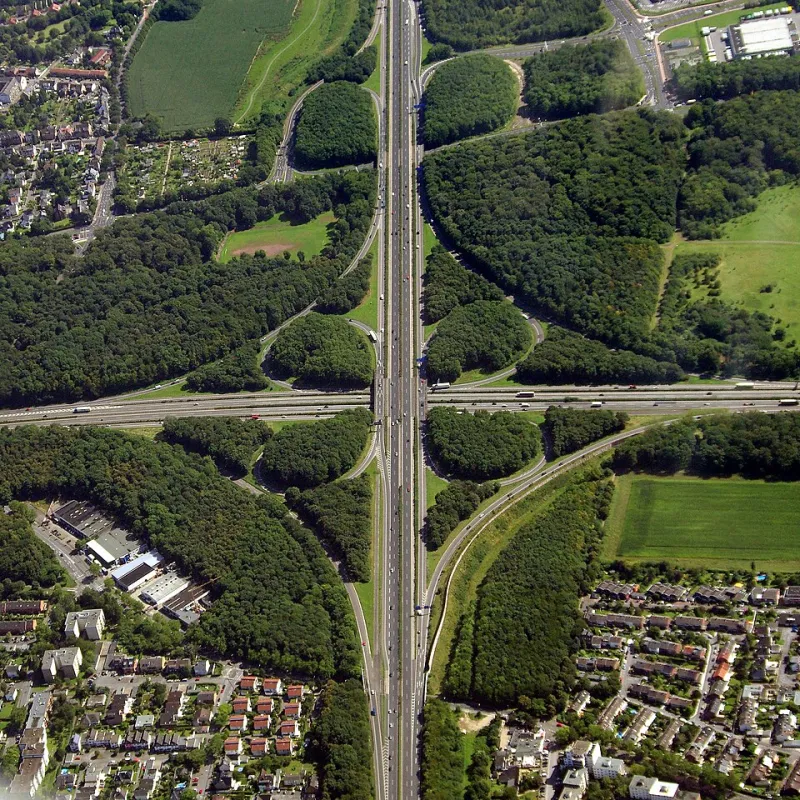
For US context, consider what this means for cities like Los Angeles or Houston, where interstate corridors carve through neighborhoods and decades of noise-mitigation spending — sound walls, berms, insulated windows — has treated the symptom rather than the source. A fleet that is both autonomous and electric doesn't eliminate road noise, but it can drop corridor sound levels enough to change the math on mitigation entirely. Several American metropolitan planning organizations have begun modeling this scenario; Aichi is simply further along the curve, with real measurements to show.
Rewriting the Rulebook for a Quieter Street
None of this happened by accident. Aichi's acoustic shift has been quietly shepherded through policy — and the policy details matter more than the technology.
Municipalities in the prefecture have updated traffic ordinances to define when artificial exterior sounds are required, balancing pedestrian safety against the growing problem of AV-generated noise pollution: the warning chimes, backup tones, and alert signals that, multiplied across thousands of vehicles, could easily recreate the din they replaced. Japan's approach has been to standardize these signals at the fleet level, so that a pedestrian in Toyota City encounters the same acoustic grammar whether the approaching pod belongs to one operator or another.
Contrast that with the American regulatory patchwork, where AV signaling requirements vary by state and NHTSA's pedestrian-safety sound rules for quiet vehicles were written with human drivers in mind. As driverless zones emerge in Phoenix, San Francisco, and Austin, the absence of a unified acoustic standard threatens to produce exactly the cacophony of competing alert tones that Aichi worked to avoid.
There is also a land-use dimension. Quieter corridors change what's possible along them. Planners in Nagoya have noted that reduced traffic noise strengthens the case for housing near autonomous transit routes — a small but real input into the perpetual American debate over transit-oriented development. When the highway no longer roars, the argument for building next to it gets easier to win.
What the Silence Costs — and What It Reveals
Honesty requires acknowledging the losses. Emergency vehicle siren detection is a genuine engineering challenge in a quieter fleet environment, and Aichi's operators have invested in dedicated acoustic sensing precisely because the ambient noise floor has dropped. Others worry that over-quieted streets breed complacency among pedestrians, particularly children and visitors accustomed to gauging danger by ear.
But the broader picture from Aichi suggests that the sensory experience of the driverless city is not a footnote to AV adoption — it is a central part of it. Safety statistics and economic projections dominate the American AV conversation, yet what residents actually feel, day to day, is whether the street outside their window got louder or quieter, more hostile or more humane.
Aichi's corridors offer a preview: a city that doesn't just move differently when the driver leaves, but sounds different — and, if the policies are written with care, sounds better. American cities would do well to start drafting their acoustic rulebooks now, before the first silent fleet arrives and the silence arrives unmanaged.