Priced by the Algorithm: How Aichi's Insurers Turned Driverless Data Into a New Actuarial Science
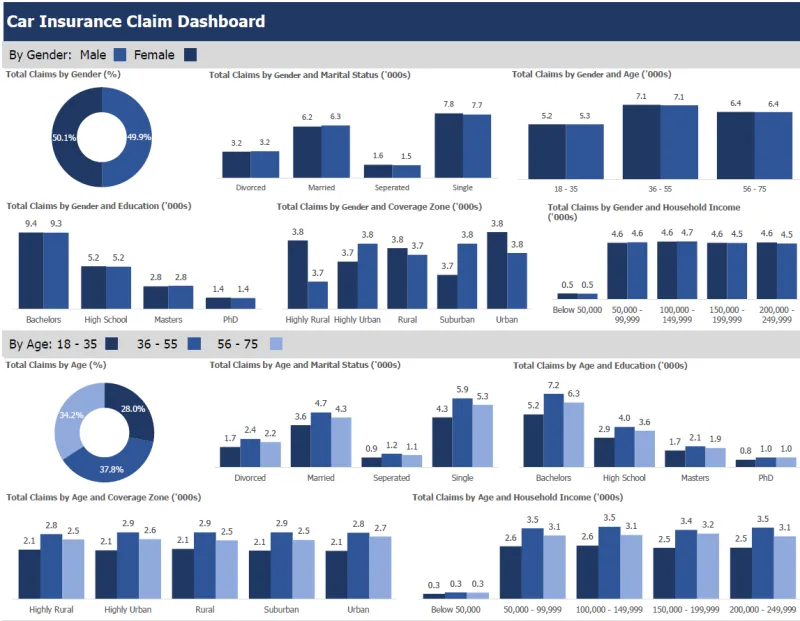
Photo: insurance actuary office analyzing vehicle data dashboard charts, via user-images.githubusercontent.com
In the United States, the question of who pays when a self-driving vehicle crashes remains a lawyer's paradise. In Aichi Prefecture, it has become an actuary's spreadsheet.
The distinction matters more than it might first appear. Insurance is the quiet infrastructure beneath every transportation system — the financial guarantee that turns risk into a manageable line item. And in Aichi, where autonomous buses, shuttles, and delivery fleets have logged millions of kilometers across Nagoya and surrounding municipalities, a new generation of underwriters has done something their American counterparts have largely not: they stopped treating driverless vehicles as an anomaly and started treating them as a distinct asset class with its own mathematics.
The End of the Driver-Based Premium
For a century, auto insurance has been a proxy game. Carriers cannot observe your driving directly, so they infer it from correlates — age, credit history, marital status, ZIP code. The entire edifice is built on the assumption that a human is behind the wheel making thousands of micro-decisions per trip.
Autonomy dissolves that assumption, and with it, the actuarial foundation. Aichi's insurers recognized this earlier than most because they had no choice: the prefecture's autonomous deployment timeline outpaced any ready-made insurance product. Working alongside manufacturers and municipal transit authorities, underwriters built policies from the ground up around vehicle-level telemetry rather than person-level proxies.
The results, according to figures shared with regional transit operators, are striking. Premiums for autonomous shuttle coverage in parts of Aichi now undercut comparable human-driven minibus policies — not as a promotional loss leader, but because the loss ratios genuinely justify it. The machines crash less, and when they do, the data trail is unambiguous in a way a fender-bender between two distracted drivers never is.
The Data Pact That Changed Everything
What makes Aichi's model exportable — and what should make American insurers nervous — is not the pricing itself but the plumbing beneath it.
Japanese carriers and manufacturers negotiated standing data-sharing agreements: standardized incident reporting, shared access to disengagement logs, and a common taxonomy for near-misses. Insurers are no longer guessing at system reliability from press releases; they read the actual operating data, refreshed continuously, and adjust reserves accordingly. In effect, the underwriting cycle has compressed from annual policy reviews to something approaching real-time.
Contrast this with the American landscape, where manufacturers guard telematics as trade secrets, insurers commission competing studies from rival experts, and state regulators each demand their own reporting format. The result is a fragmented risk picture in which no one — not carriers, not regulators, not even the manufacturers themselves — can say with confidence what a fleet-level loss curve actually looks like.
Aichi's answer was institutional rather than technological: a mutual understanding that pooled data produces cheaper coverage for everyone, and that cheaper coverage accelerates deployment, which benefits the manufacturers most of all. The incentive alignment was deliberate, and it was brokered in part by prefectural officials who understood that insurance friction could strangle the autonomous corridor before it left the station.
Why Wall Street Is Looking at the Wrong Numbers
American capital markets have priced autonomy as a technology story — sensor costs, software milestones, regulatory approvals. What they have largely ignored is that autonomy is equally an insurance story. No fleet scales without coverage, and no carrier writes coverage at scale without data it currently does not have.
Several US carriers have begun experimenting with usage-based and sensor-based products, but these remain pilot programs bolted onto legacy actuarial frameworks. The deeper restructuring — the kind Aichi undertook — requires three things American insurers have been slow to build: standardized manufacturer data access, incident taxonomies agreed across competitors, and regulators willing to let premiums reflect machine performance rather than human history.
There are early signs of movement. State-level sandbox programs and the growing sophistication of commercial fleet coverage suggest the industry senses what is coming. But the direction of travel is clear: the first carriers to crack autonomous risk pricing will hold an advantage that compounds with every kilometer of fleet data their competitors lack.
A Lesson Written in Loss Ratios
The uncomfortable truth for the American insurance industry is that Aichi's model was not built by out-innovating anyone technologically. It was built by cooperating — by competitors agreeing to share the one resource that matters most in underwriting: honest data about what actually goes wrong.
For a country whose auto insurance market exceeds $300 billion annually and whose liability doctrines remain tangled in questions of driver versus manufacturer responsibility, that lesson may prove harder to import than any sensor stack or software platform. But the arithmetic is patient and unforgiving. Fleets that can be insured cheaply will scale. Fleets that cannot will not.
Aichi's actuaries did not solve autonomy. They solved the financing of autonomy — and in doing so, they may have written the most consequential policy document of the driverless era. It just happens to be a premium schedule.