When the Storm Hits, the Fleet Rolls: Inside Aichi's Driverless Evacuation Doctrine and Its Quiet Arrival in Hurricane Country
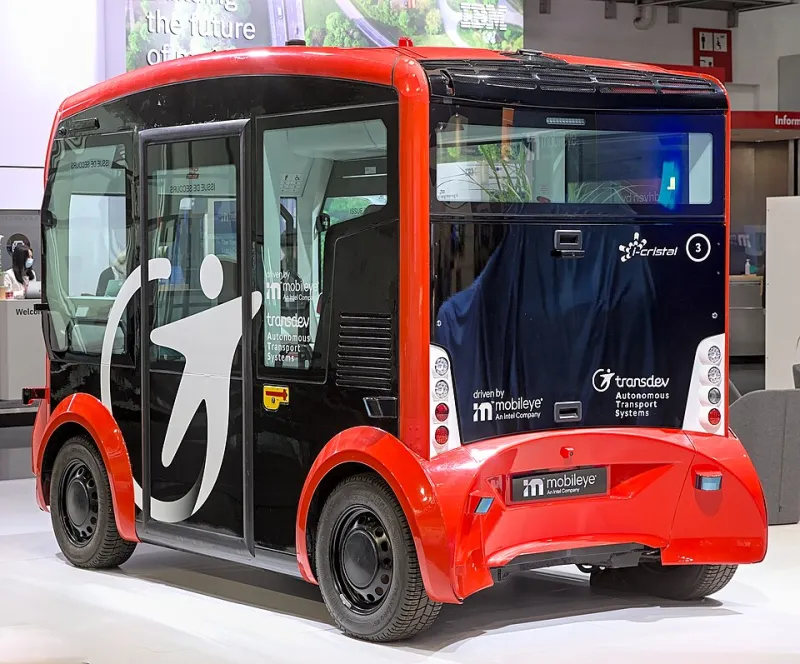
Photo: Alexander Migl, CC BY-SA 4.0, via Wikimedia Commons
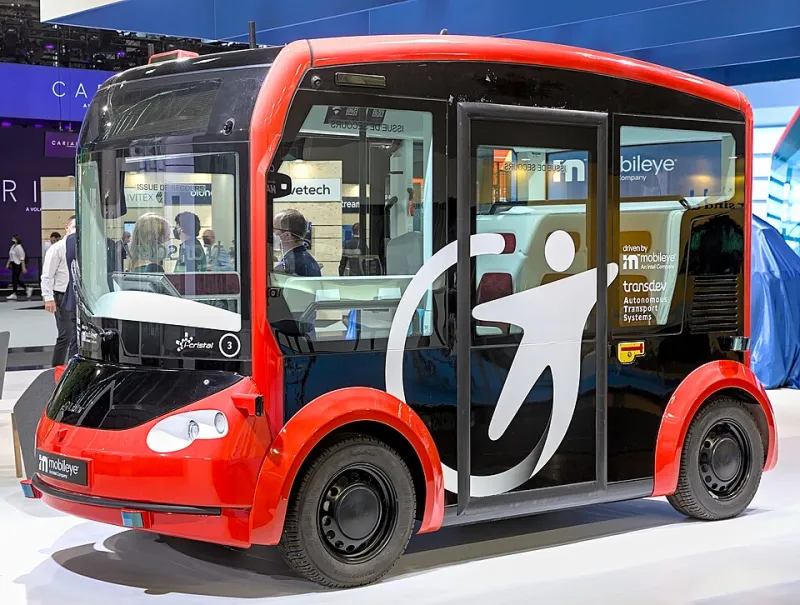
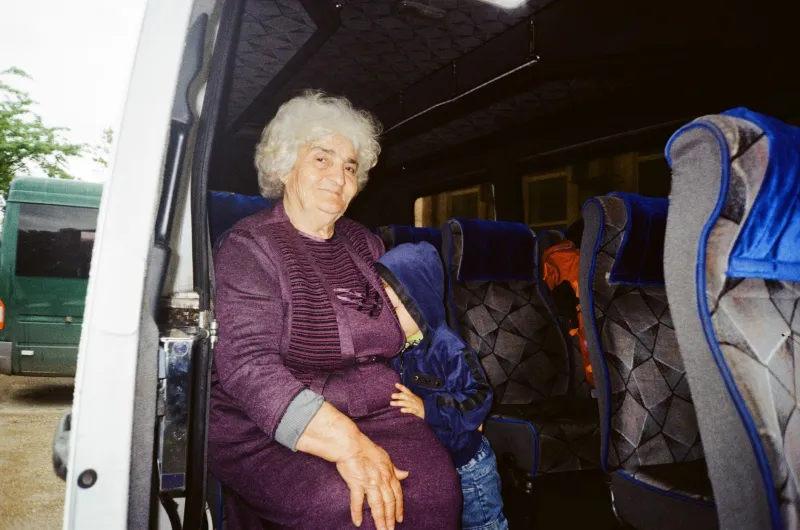
When Typhoon Shanshan stalled over the Tokai region in late summer, the standard disaster manual went out the window. Roads that would ordinarily carry school buses and municipal shuttles were judged too dangerous for human drivers—but not for the autonomous fleet. Within hours, driverless shuttles operating on Aichi's established mobility corridors began ferrying elderly residents from low-lying coastal neighborhoods in Nagoya's outskirts to elevated evacuation centers, while unmanned delivery pods carried water, medication, and blankets along routes that human drivers had abandoned.
For American readers, the scenario reads like speculative fiction. For Aichi's emergency planners, it was a dress rehearsal years in the making.
Why Aichi Built a Doctrine, Not Just a Fleet
The region's advantage is not technological bravado—it is repetition. Aichi faces typhoon season annually, and its coastal geography, threaded with rivers and reclaimed land, makes flooding a recurring civic problem rather than a once-a-generation crisis. That rhythm forced local government, automakers, and mobility startups into a rare alignment: autonomous vehicles could not be treated as a fair-weather demonstration project. They had to perform when conditions were worst.
The result is a documented operational doctrine—pre-mapped evacuation routes that are continuously refreshed with high-definition sensor data, redundant remote-monitoring stations, standing agreements between fleet operators and municipal disaster offices, and passenger protocols designed specifically for residents who cannot self-evacuate. Critically, these systems did not appear overnight. They were layered onto the same autonomous bus and shuttle networks that already run daily service, meaning the vehicles and their remote operators had logged thousands of routine hours before ever facing a storm.
This is the distinction American planners are now parsing carefully. The fleet is not an emergency asset bolted onto a commercial service. It is a commercial service that becomes an emergency asset the moment a warning is issued.
The American Interest Is No Longer Theoretical
Hurricane season along the Gulf Coast and the Eastern Seaboard has repeatedly exposed the same failure point: the evacuation bottleneck. Contraflow lanes, fuel shortages, and the roughly one-third of coastal residents who lack reliable personal transportation create a gap that buses and National Guard convoys cannot always close in time. In wildfire country, the math is even less forgiving—California's Camp Fire demonstrated that evacuation windows can shrink to minutes.
Emergency management officials from Florida and Texas to Oregon have begun attending Japanese disaster-resilience exchanges, and Aichi's model keeps surfacing in the briefings. What draws their attention is not the vehicles themselves but the institutional scaffolding: liability frameworks established before the crisis, insurance arrangements pre-negotiated, and communication protocols that let a remote operator in a monitoring center assume responsibility for a vehicle carrying two dozen evacuees without a legal vacuum opening underneath them.
The policy questions are familiar ones to any American transportation committee—vehicle inspection regimes, operator certification, municipal liability caps—but Aichi's experience suggests they are answerable in advance rather than in the middle of a hurricane watch.
What Translates, and What Doesn't
Honest observers on both sides of the Pacific caution against simple transplantation. Aichi's autonomous corridors serve dense, well-mapped urban and suburban districts with strong municipal coordination. Rural evacuation in the American Southeast—where a single county road may be the only route out—presents a harder problem, and cellular coverage gaps complicate remote-supervision models that assume reliable connectivity.
But the transferable core is procedural. Pre-negotiated emergency operating agreements. Evacuation routes surveyed and digitized long before a warning. Fleets designed with disaster mode as a first-class feature rather than an afterthought. And perhaps most importantly, a public that has already ridden in the vehicles before the vehicles are asked to save their lives.
That last point may matter most. Trust in autonomous systems is not manufactured during a crisis; it is accumulated through ordinary Tuesdays. Aichi's passengers boarded driverless shuttles to the grocery store months before they boarded them out of a flood zone.
A Policy Window That Won't Stay Open
Federal attention to climate-resilient infrastructure is expanding, and autonomous evacuation sits at the intersection of two funding streams—transportation modernization and disaster preparedness—that rarely converge. States that pilot autonomous shuttle networks with explicit disaster-response provisions written into their operating agreements could find themselves holding a template the rest of the country needs within the decade.
Aichi's lesson is not that driverless vehicles will replace evacuation buses. It is that the hardest part of autonomous disaster response—the legal, institutional, and human-trust infrastructure—can and should be built in calm weather. The storm will not wait for the paperwork.