Three A.M. in the Service Bay: How Aichi Rebuilt Vehicle Maintenance for Fleets That Diagnose Themselves
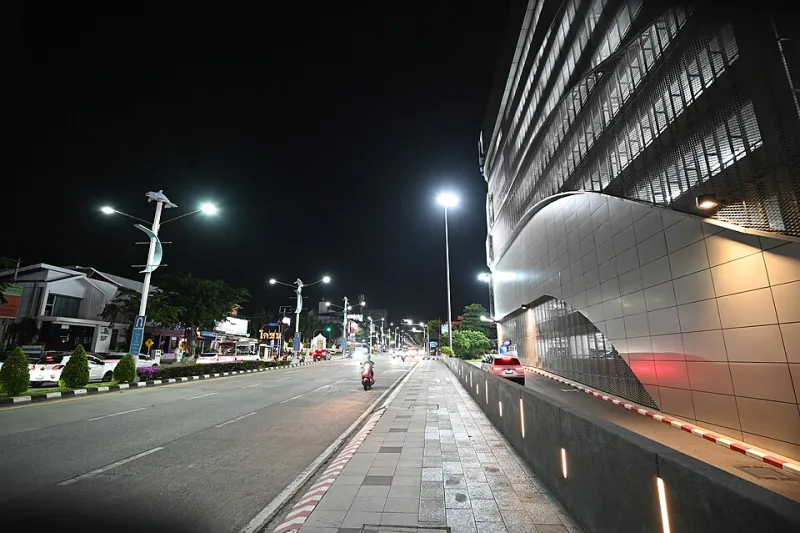
There is a moment, sometime around three in the morning, when the last revenue-generating run of an autonomous shuttle in Nagoya ends and the real work begins. There is no driver to file a complaint about a grinding noise. No operator to notice a soft brake pedal. Instead, the vehicle has already told the depot everything: a wheel bearing trending toward failure in eleven days, a coolant seal weeping at a rate of milliliters per week, a battery cell drifting two percent out of family with its neighbors.
In Aichi Prefecture, this is not a futuristic scenario. It is Tuesday night.
The End of the Breakdown as a Business Model
For more than a century, the automotive service economy has been built on a simple premise: vehicles fail, then they get fixed. The American repair industry — a sprawling network of independent shops, franchise dealerships, and parts distributors worth roughly $130 billion annually — exists in a reactive posture. Customers arrive with symptoms. Technicians diagnose. Parts are ordered. Revenue follows dysfunction.
Aichi's autonomous operators have inverted that logic entirely. Because the region's driverless fleets generate continuous telematics streams — thousands of sensor readings per vehicle per minute — maintenance has shifted from an event to a condition. Vehicles do not break down here so much as they gradually announce their own decline, weeks in advance, to a depot management system that schedules the intervention automatically, often during hours when the fleet would otherwise sit idle.
The result is a maintenance model in which unscheduled roadside failures have become rare enough to be treated as engineering incidents rather than operational inconveniences. Each one triggers a root-cause review. Each review feeds back into the predictive models. The fleet, in effect, teaches the garage.
From Wrench-Turners to Fleet Health Engineers
What has happened to the technicians themselves may be the most consequential part of the story — and the part with the clearest implications for the United States.
The traditional American mechanic's skill set, honed in vocational programs and handed down shop-to-shop, centers on mechanical diagnosis: listening, feeling, disassembling. Aichi's training pipelines have been rebuilt around a different profile altogether. The technicians emerging from the region's certified programs — many of them run in partnership with the prefecture's automotive giants — are as fluent in telemetry dashboards and failure-curve statistics as they are in torque specifications.
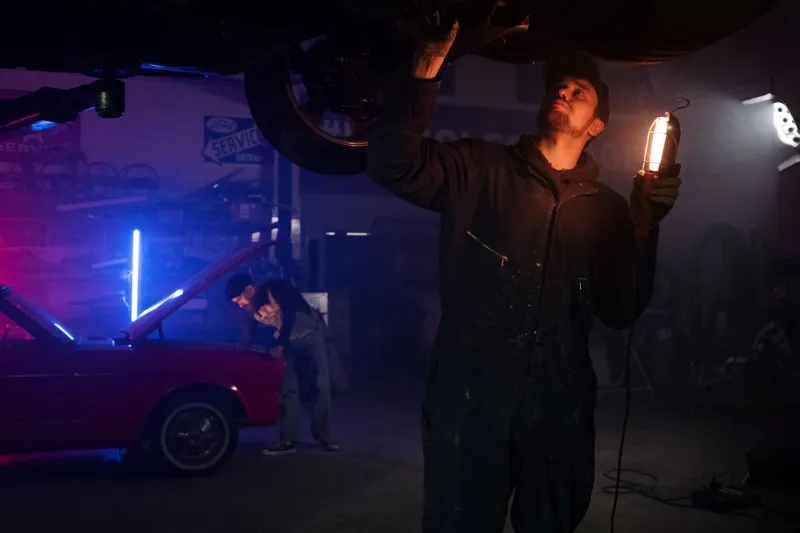
The job title that has taken hold across Aichi's depots is revealing: fleet health engineer. These are not mechanics who occasionally consult a laptop. They are analysts who occasionally pick up a wrench. A typical shift involves triaging a queue of algorithmically flagged components, validating the machine's diagnosis with physical inspection, and performing surgical replacements designed to return the vehicle to service before the morning revenue window opens.
Critically, the role has proven easier to staff than skeptics predicted. Many recruits come not from traditional repair backgrounds but from electronics, IT, and industrial automation — a labor pool that maps more naturally onto sensor-laden vehicles than onto carbureted ones.
What This Means for America's Service Bays
American dealership groups have been remarkably candid about their exposure. Service departments generate a substantial share of franchise dealership profits — in many cases the majority — and a fleet that predicts its own failures, schedules its own appointments, and orders its own parts threatens the walk-in traffic on which that revenue depends.
The disruption will arrive unevenly. Owner-operated passenger vehicles will still need oil changes, tires, and collision work for decades. But commercial and municipal fleets — delivery vans, transit shuttles, autonomous trucking corridors — are where the Aichi model translates first, and where the competitive pressure is already visible. Fleet operators who can halve their downtime through predictive scheduling have little patience for a two-week dealership appointment backlog.
The workforce question deserves equal attention. The US Bureau of Labor Statistics projects steady demand for automotive service technicians through the decade, but the composition of that demand is changing faster than most trade school curricula. Community colleges and technical programs from Michigan to North Carolina have begun adding telematics diagnostics and high-voltage systems to their course catalogs, though few have embraced anything resembling the fleet health engineer model in full.
There is also a policy dimension. States drafting autonomous vehicle frameworks have focused heavily on safety testing and liability, while saying little about maintenance certification. Aichi's experience suggests that oversight of predictive maintenance regimes — who validates the algorithms, who audits the depots, what failure thresholds ground a vehicle — belongs in the regulatory conversation now, not after the first preventable incident.
The Quiet Advantage
None of this arrived in Aichi through a single breakthrough. It accumulated: dense sensor coverage, depot designs built around overnight maintenance windows, training programs aligned with industry needs, and a regulatory culture willing to treat maintenance data as safety data.
For American policymakers and business leaders watching the autonomy race, the lesson is easy to overlook precisely because it is unglamorous. The future of mobility will be decided not only in the vehicles themselves but in the garages that keep them running — and the regions that reinvent those garages first will hold a durable advantage.
In Aichi, the garage never sleeps. Increasingly, it barely needs to be asked.