Growing Up Without the Wheel: Inside Aichi's Autonomy Generation and the Quiet End of the Driver's License Era

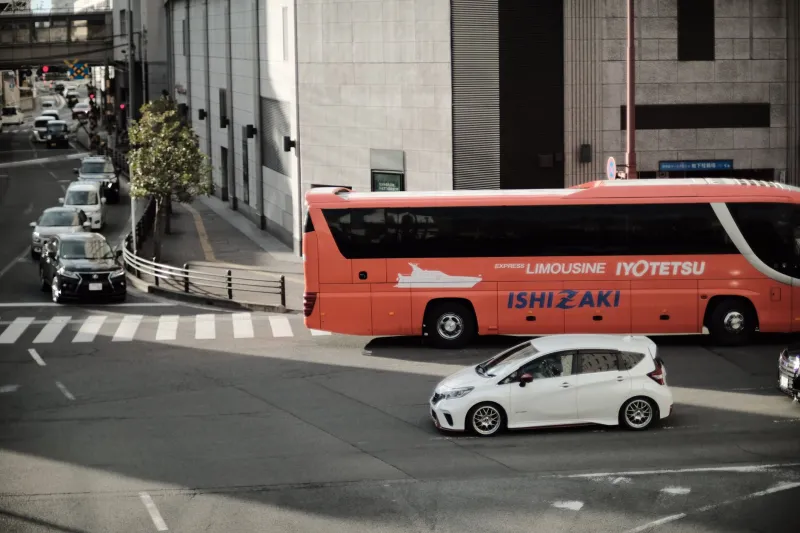
Photo by Photo by Ramon Buçard on Unsplash on Unsplash
A License That No Longer Opens the World
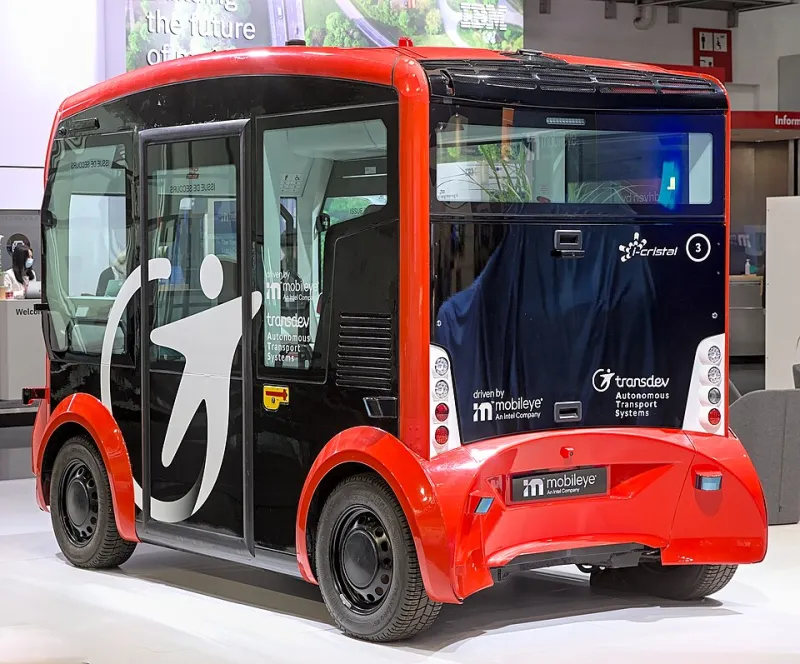
For most of the twentieth century, few documents carried the symbolic weight of the American driver's license. It meant freedom at sixteen, first dates and late-night drives, and a standing assumption baked into zoning codes, insurance actuarial tables, and Hollywood storylines alike. In Aichi prefecture — the industrial heart of Japan and home to Toyota — a different coming-of-age story is unfolding. There, a cohort of teenagers is reaching adulthood having ridden autonomous shuttles to school, taken driverless taxis to part-time jobs, and never once gripped a steering wheel out of necessity.
Local researchers have begun informally calling them the "autonomy generation." What makes their experience instructive for American readers is not the technology itself, but the policy and cultural scaffolding that has grown around it. In Aichi, the question facing a sixteen-year-old is no longer "when do you get your license?" but "do you actually need one?"
What Changes When Driving Becomes Optional
The shift is subtler than a simple swap from human to machine. In interviews with educators and municipal planners across Nagoya and surrounding communities, a consistent picture emerges: driving is being repositioned as a skill — closer to sailing or woodworking — rather than a prerequisite for adult life.
That repositioning has knock-on effects that American policymakers should study closely:
- Driver education. Aichi's overhauled licensing curriculum now treats manual driving as one module among several, alongside training on how to safely interact with, summon, and share roads with autonomous fleets.
- Insurance. Youth premiums, long the financial shock of American adolescence, are being recalculated around usage and trip data rather than age brackets — a model that presumes many young adults will simply not drive.
- Car ownership. Subscription mobility passes are replacing the used-car purchase as the default first step into independence for many Aichi households.
None of this happened overnight. It followed a decade of deliberate infrastructure investment — the same corridor investments that have made Aichi a global reference point for integrated autonomous transit.
The American Mirror: A Trend Already in Motion
Skeptics in the United States may be tempted to file this under "cultural difference." The data argues otherwise. American teen licensure has been declining for decades, a trend that predates the smartphone and accelerated through the pandemic era. Rising insurance costs, graduated licensing laws, urbanization, and shifting attitudes toward ownership have all pushed in the same direction. The driver's license has been losing its ceremonial status in states like California and New York for a generation.
What Aichi demonstrates is the other side of that curve: what a regional mobility ecosystem looks like when the decline becomes a full decoupling of freedom from the wheel. Young people there are not less mobile than their parents. In many cases they are more mobile, moving later into the evening on autonomous shuttles that run fixed rural and suburban routes, without the household expense of a second or third car.
What US Regulators Should Take From It
The lesson for American statehouses is not to import Japan's model wholesale — density, transit history, and industrial policy differ enormously. It is to recognize the three decisions Aichi made early, each of which remains available to US policymakers today:
- Fund autonomy as public infrastructure, not just private product. The autonomous loop corridors in Aichi were planned with the same seriousness as highways, which gave young riders a reliable alternative before habits formed.
- Rewrite licensing around mobility, not machinery. Aichi's driver education reform treats machine interaction, route planning, and system oversight as core competencies — a framework directly relevant to US DMVs considering how to license the fleet supervisors and remote operators of the 2030s.
- Let the license's meaning evolve. Rather than defending the license as a cultural totem, Aichi regulators allowed it to become what the market demanded: a credential for those who choose to drive, not a gate for those who want to move.
The End of the Rite, Not the Road
There is real loss in this transition, and it would be dishonest to pretend otherwise. Car culture in America is woven into literature, film, and family memory, and no autonomous shuttle replicates the feeling of a first solo drive down an open highway. Aichi's teenagers, for their part, seem largely unbothered by what they never had.
The deeper question for the United States is whether the driver's license can gracefully change meaning — from universal rite of passage to optional credential — or whether the institutions built around it, from driving schools to insurance carriers to state revenue systems, will resist the shift until it arrives on their own terms. Aichi's experience suggests the transition is manageable, but only for regions that start planning for the autonomy generation before it finishes growing up.