The Neighborhood Race: Inside Aichi's Autonomous Delivery Ecosystem and What It Means for American E-Commerce
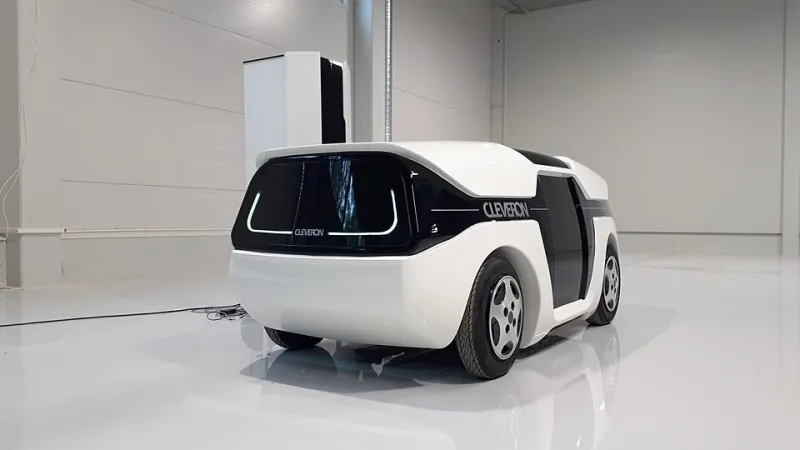
Photo: Jprmg, CC BY-SA 4.0, via Wikimedia Commons
Same-day delivery has become the baseline expectation of American e-commerce — a promise so thoroughly normalized that consumers barely register it as a feat of logistics engineering. What remains invisible to most shoppers is the extraordinary operational complexity compressed into the final mile of that journey: the stretch between a regional distribution hub and an individual front door that accounts for a disproportionate share of total delivery cost, carbon output, and customer-experience variance.
In Aichi Prefecture, that final mile is becoming a proving ground for a new generation of autonomous delivery systems — and the competition playing out across the region's neighborhoods is considerably more sophisticated than anything currently operating at scale in the United States.
A Geography Built for Experimentation
Aichi's urban landscape presents a logistics challenge that is, in important respects, more representative of American delivery conditions than the environments typically used to showcase autonomous systems. Nagoya, the prefecture's largest city, combines the density of a major metropolitan core with the sprawling residential periphery characteristic of mid-sized American metros — think Columbus or Kansas City rather than Manhattan. Surrounding municipalities layer in the kind of mixed-use suburban zones where American delivery volumes are actually concentrated: single-family neighborhoods, low-rise apartment complexes, light commercial corridors, and the occasional stretch of road that no mapping database has adequately described.
This geographic heterogeneity has forced Aichi's autonomous delivery operators to develop routing and fleet management strategies that function across genuinely varied environments, rather than optimizing exclusively for the controlled conditions of a tech campus or a purpose-built logistics district. The algorithms being refined here are, by design, generalists — and that generalism is precisely what makes them relevant to the American market.
Competing Models, Competing Philosophies
What distinguishes Aichi's last-mile ecosystem in 2025 is not the presence of any single dominant operator but the coexistence of meaningfully different operational philosophies, each making different bets about where the real constraints in autonomous delivery actually lie.
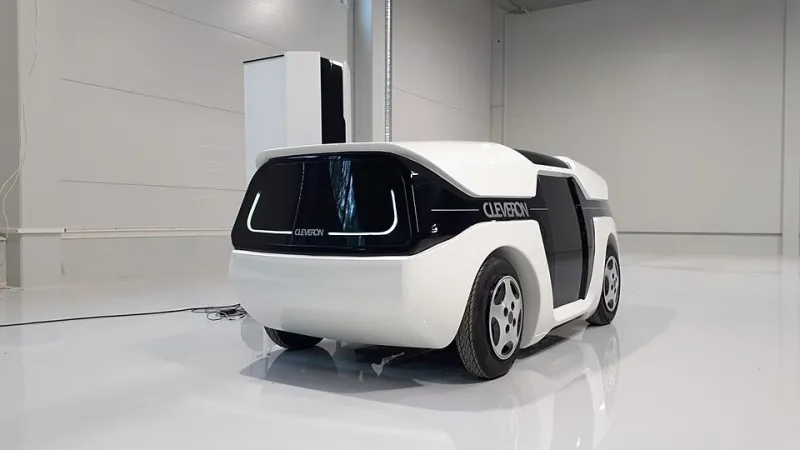
One school of thought, represented by several startups operating in Nagoya's denser wards, centers on swarm-based micro-fleet strategies. Rather than deploying a smaller number of large-capacity autonomous vehicles, these operators distribute deliveries across networks of compact, low-speed robots capable of navigating sidewalks, shared pathways, and the narrow service lanes that characterize older Japanese urban fabric. The routing algorithms governing these fleets prioritize density and concurrency — maximizing the number of deliveries completed within a defined geographic radius during a single operational window.
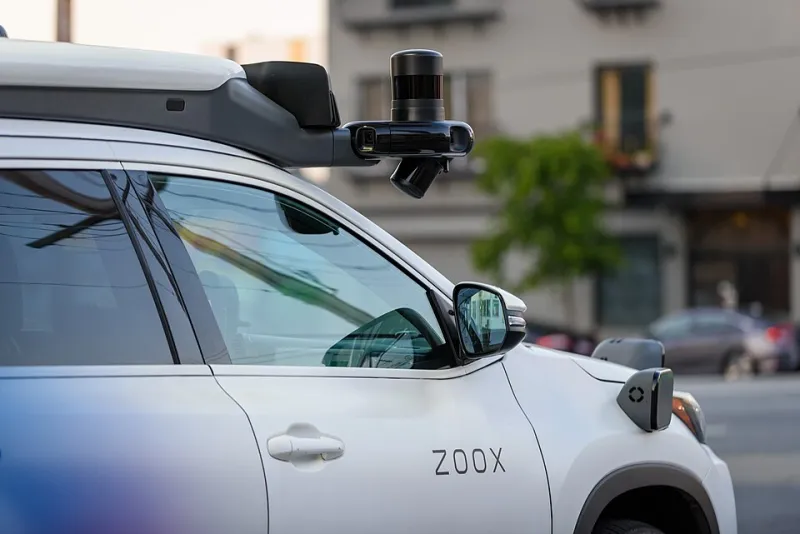
A second approach, more prevalent in Aichi's suburban zones, favors mid-sized autonomous vans operating on conventional road networks with dynamic route optimization. These systems compete less on density and more on adaptability — their algorithms continuously recalculating delivery sequences in response to real-time traffic conditions, customer availability signals, and package priority classifications. Several operators in this category have developed integration frameworks that allow their autonomous fleets to interface directly with the inventory management systems of major retailers, collapsing the gap between order confirmation and dispatch initiation.
A third model, perhaps the most structurally novel, involves hybrid networks in which autonomous vehicles handle trunk routes between micro-fulfillment nodes while human couriers — assisted by AI-optimized routing tools — complete the final block-level handoff. This architecture acknowledges the persistent edge cases that fully autonomous systems still struggle with while capturing meaningful efficiency gains across the majority of a delivery route's distance.
The Regulatory Variable
Aichi's position as a designated smart city and autonomous mobility priority zone under Japan's national policy framework has created a regulatory environment that allows these competing models to operate, iterate, and fail in ways that would be difficult to replicate in most American cities. Prefectural and municipal authorities have established sandbox frameworks that permit autonomous delivery systems to test in live urban environments under defined operational parameters, with streamlined processes for expanding permissions as safety records accumulate.
This regulatory agility has compressed the feedback loop between system design and real-world performance in ways that are difficult to overstate. An operator in Aichi can identify a failure mode on Monday, implement a software update by Wednesday, and have revised behavior validated in live conditions by the following week. The equivalent cycle in a U.S. regulatory environment — navigating city permits, state transportation department approvals, and liability frameworks that vary by jurisdiction — can stretch into months or quarters.
For American logistics companies monitoring Aichi's developments, this gap represents both a warning and an opportunity. The warning: operational models being refined at speed in Japan may arrive in the U.S. market already significantly more mature than domestic competitors. The opportunity: the data and frameworks being generated in Aichi's regulatory sandbox are increasingly accessible to international partners willing to engage with the ecosystem directly.
What American Retailers Are Watching
Several major U.S. e-commerce and retail logistics operators have established observation relationships with Aichi-based autonomous delivery companies — a dynamic that remains largely out of public view but is well understood within the industry. The specific capabilities drawing their attention are instructive.
First, Aichi's operators have demonstrated meaningful progress on the customer-availability problem — the persistent challenge of completing a delivery when a recipient is not present to receive it. AI-driven scheduling systems that predict optimal delivery windows based on behavioral data, combined with autonomous vehicles capable of executing secure contactless drop-offs, are reducing failed first-attempt rates to levels that would represent a significant operational improvement for most American last-mile providers.
Second, the fleet management architectures developed in Aichi's mixed urban-suburban environment have shown particular resilience in handling the kind of demand volatility that characterizes American e-commerce — the sharp spikes around major retail events, the geographic concentration of orders during extreme weather, the unpredictable surges driven by viral product moments. Systems optimized for Aichi's variable demand patterns translate, at least in principle, more cleanly to the American market than those designed for the more uniform demand profiles of controlled logistics environments.
The Disruption Horizon
The question facing American retailers and logistics operators is not whether autonomous last-mile delivery will reshape their industry — that trajectory is well established. The more pressing question is where the transformative systems will originate, and whether domestic investment is moving quickly enough to remain competitive with what is being built in Aichi.
The neighborhood-level delivery race unfolding across Aichi's streets in 2025 is generating operational knowledge, regulatory precedent, and AI training data that will have lasting value well beyond Japan's borders. The companies currently competing for market position in Nagoya's residential zones are, in a meaningful sense, competing for influence over how same-day delivery works in Chicago, Dallas, and Atlanta.
American e-commerce has spent years defining the expectations of global consumers. Aichi may be in the process of defining the infrastructure that fulfills them.